Introduction
With the rise in popularity of low-carb diets, the Atkins Diet and the Keto Diet have become two of the most talked-about weight loss plans. Both diets focus on reducing carbohydrate intake to promote weight loss and improve overall health. However, there are some key differences between the two approaches. In this article, we will compare the Atkins Diet vs Keto Diet to determine which is better for achieving your weight loss goals.
Section 1: The Atkins Diet
The Atkins Diet was created by Dr. Robert Atkins in the 1970s and is based on the principle of reducing carbohydrate intake to force the body to burn fat for fuel. The diet is divided into four phases: Induction, Ongoing Weight Loss, Pre-Maintenance, and Maintenance. During the Induction phase, dieters consume less than 20 grams of carbs per day to kickstart ketosis, a metabolic state where the body burns fat for energy.
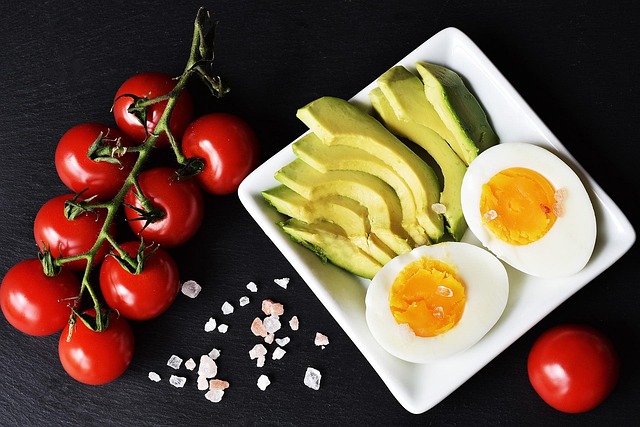
The Atkins Diet emphasizes protein-rich foods like meat, fish, and eggs, as well as healthy fats like avocado, olive oil, and nuts. Vegetables are also included in the diet, but starchy vegetables like potatoes are limited. The Atkins Diet allows for a gradual increase in carb intake as dieters progress through the phases, making it a flexible option for those looking to transition to a lower-carb lifestyle.
Section 2: The Keto Diet
The Keto Diet, short for ketogenic diet, is a high-fat, low-carb diet that is designed to put the body into a state of ketosis, where it burns fat for fuel instead of carbohydrates. The diet typically consists of 70-75% fat, 20-25% protein, and 5-10% carbs. Unlike the Atkins Diet, the Keto Diet does not have specific phases but instead focuses on maintaining a consistent macronutrient ratio to stay in ketosis.
The Keto Diet emphasizes foods like meat, fish, eggs, cheese, butter, and oils, while limiting high-carb foods like grains, fruits, and starchy vegetables. Some people choose to follow a modified version of the Keto Diet that includes more plant-based fats and protein sources. The Keto Diet has gained popularity for its rapid weight loss results and potential health benefits, including improved blood sugar control and reduced inflammation.
Section 3: Key Differences
One of the main differences between the Atkins Diet and the Keto Diet is the level of carbohydrate restriction. The Atkins Diet allows for a gradual increase in carb intake as dieters progress through the phases, while the Keto Diet maintains a strict limit on carbs to stay in ketosis. This makes the Keto Diet more restrictive but can also lead to faster weight loss results.
Another difference is the focus on protein intake. The Atkins Diet emphasizes protein-rich foods to help dieters feel full and satisfied, while the Keto Diet focuses more on high-fat foods to support ketosis. Both diets can be effective for weight loss, but the Atkins Diet may be more sustainable in the long term due to its flexibility with carb intake.
Section 4: Which is Better?
When it comes to determining which diet is better, it ultimately depends on your individual goals and preferences. The Atkins Diet may be a better option for those looking for a more flexible approach to low-carb eating, while the Keto Diet may be more suitable for those seeking rapid weight loss results or specific health benefits.
If you are considering trying either the Atkins Diet or the Keto Diet, it is important to consult with a healthcare provider or registered dietitian to ensure you are meeting your nutritional needs and staying healthy. Both diets have the potential to be effective for weight loss and improving overall health, but it is essential to find the approach that works best for you and fits your lifestyle.
Conclusion
In conclusion, both the Atkins Diet and the Keto Diet are low-carb eating plans that can help you lose weight and improve your health. The Atkins Diet offers a more flexible approach to carb intake, while the Keto Diet maintains a strict limit on carbs to promote ketosis. Ultimately, the best diet for you will depend on your goals, preferences, and individual needs. Whichever diet you choose, be sure to consult with a healthcare provider or registered dietitian to ensure you are following a balanced and sustainable eating plan.
Leave a Reply